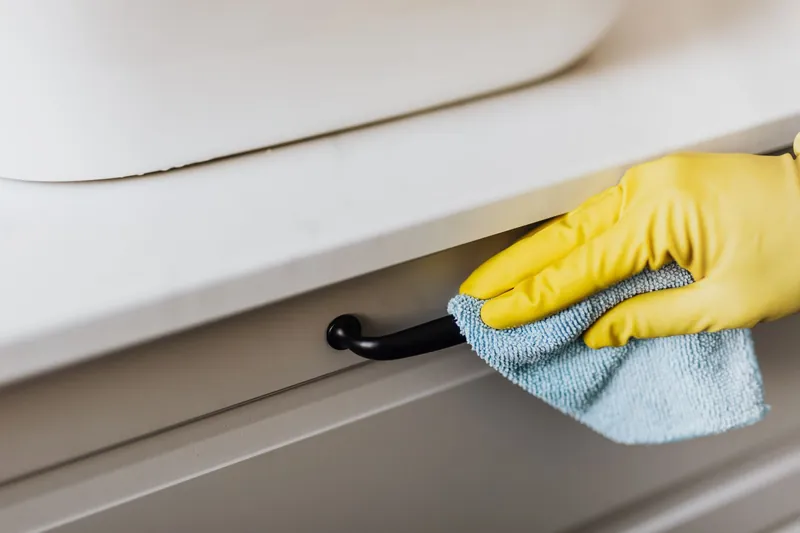
Bodily Fluid Cleanup
Bodily fluid cleanup and disinfection for homes, care settings and businesses.
See bodily fluid cleanupGet blood and bodily fluids removed from carpet, hard floors, walls, furniture or vehicles in New Dayton. The affected area is contained, cleaned and disinfected, with unsafe porous materials packaged for disposal.
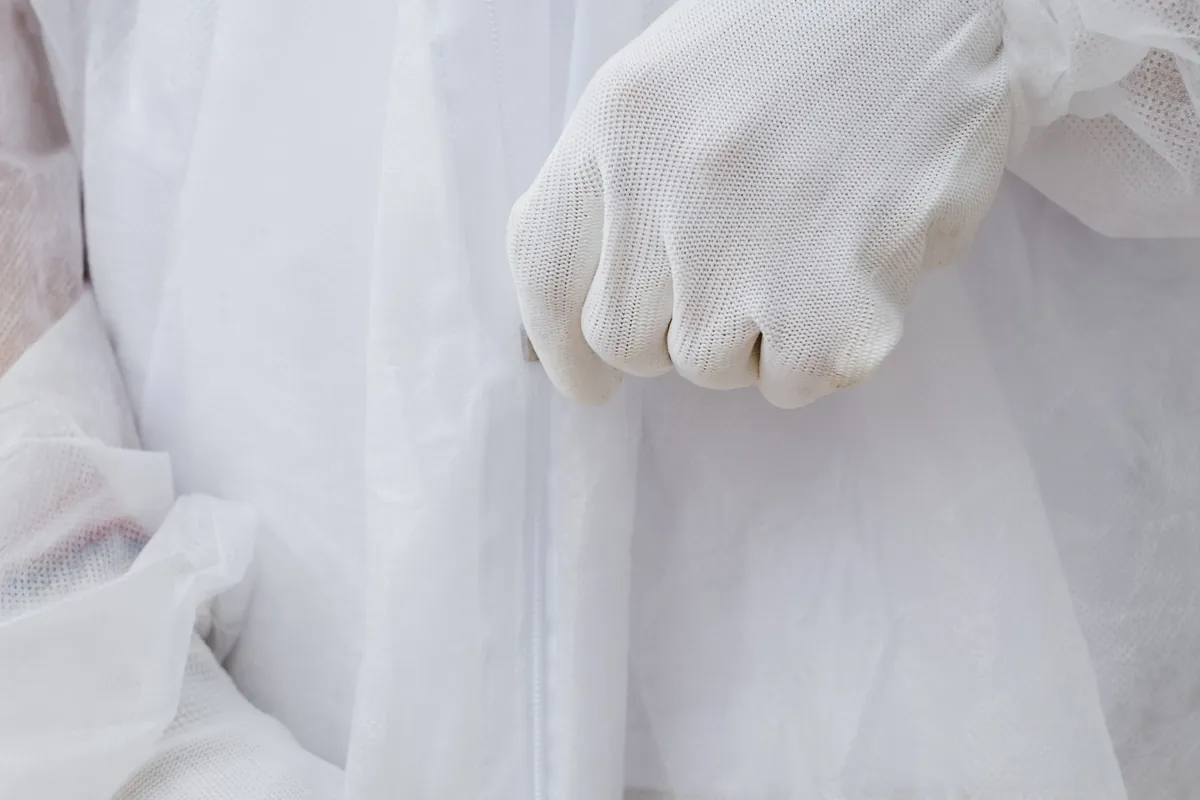
Blood cleanup is the controlled removal of blood and bodily fluids, followed by cleaning, disinfection and disposal of materials that cannot be safely kept.
A blood spill may look limited to one stain, but liquid can travel through carpet, seams, grout, furniture and gaps beside a wall. Professional blood cleaning starts by finding the full affected area and protecting the surrounding areas. Trained technicians then decide which hard surfaces can be disinfected and which porous materials need removal.
You may need this form of biohazard remediation after a medical event or injury, or following a traumatic incident or accident at work. Cleaning blood differs from regular housekeeping due to the possible presence of bloodborne pathogens. The work calls for protective equipment and controlled methods from initial cleaning through waste disposal.
To move forward with repairs, use photographs, an inventory and cleanup documentation to describe the damage to insurance companies.
Calls may be taken at any hour, while technicians arrive discreetly in unmarked vehicles. Ask what steps will limit access for nearby tenants, customers and neighbors.
The crew should consult you about practical possessions and valued keepsakes. You should have a say before any safely removable items are classified and disposed of as ordinary rubbish.
You deserve a clear description of the cleaning scope and why certain items may have to come out. Before you approve cleanup, learn how the crew determined the edge of the affected area.
When a spill is widespread, substantial or deeply absorbed, trying to clean it with household methods may be unsafe. Blood cleanup services are suited to situations such as:
Discreet cleanup, useful scope images and a record of cleaned versus removed items may help property owners and managers.
More than one surface may be affected after a serious incident. Professional cleanup keeps loved ones from taking on a difficult and potentially unsafe task.
Bedding, bathroom surfaces, carpeting and the path across several rooms can be affected by a medical event at home. Every affected area requires inspection.
An office, warehouse, store or common building with blood contamination needs controlled entry, proper protective gear and a cleanup process appropriate for the affected materials.
Your first step is to keep people away from the blood and avoid spreading it. Take these actions while arranging a cleanup service:
Call (888) 440-9227Published industry guides list broad costs for blood cleanup, reflecting the difference between a small surface mark and fluid that has reached deeper materials. One guide states a span from $300 to $4,000 and a second shows $500 to $5,000; small blood cleanup carries another published range of $1,500 to $3,000. On-site scope, impacted materials and waste volume determine your final cost.
These national ranges are taken from published cost guides, rather than a property visit. You learn what your property will cost after the on-site assessment and before any work begins.
Ask about cost: (888) 440-9227Blood cleanup may qualify for payment under homeowners, auto, renters or commercial insurance if the event is covered. The circumstances, deductible and language of your policy determine the claim.
Your insurance company can tell you what work records, item inventories and photos to submit. Do not dispose of contaminated belongings before receiving adjuster instructions unless they present a direct safety concern, and preserve your receipts.
A landlord, business owner or property manager may arrange cleanup when the event affects a rental or workplace. Who pays varies with the situation, policy and lease.
Contact your insurance company after the event and confirm whether the policy covers biohazard cleanup plus removal of contaminated building materials. Save your claim reference and the adjuster's contact information.
Victims of violent crime can ask the Louisiana Crime Victims Reparations Board, supported by the Louisiana Commission on Law Enforcement, about crime scene cleanup. The program lists it among eligible expenses. Insurance is usually checked first.
A controlled sequence keeps unaffected rooms separated as professional cleaning moves through the treated space. Each stage reflects which materials were reached and how much blood is present.
Cleanup technicians examine the obvious mark, surrounding materials and routes where blood may have traveled. Before cleaning begins, the remediation process uses photos and notes to define the work area.
Barriers divide the affected work zone from unaffected rooms. Wearing suitable protective gear, technicians establish a clean path for moving tools and contained waste.
When blood penetrates beyond effective surface disinfection, affected drywall, unsealed wood, furniture foam or carpet padding is taken out.
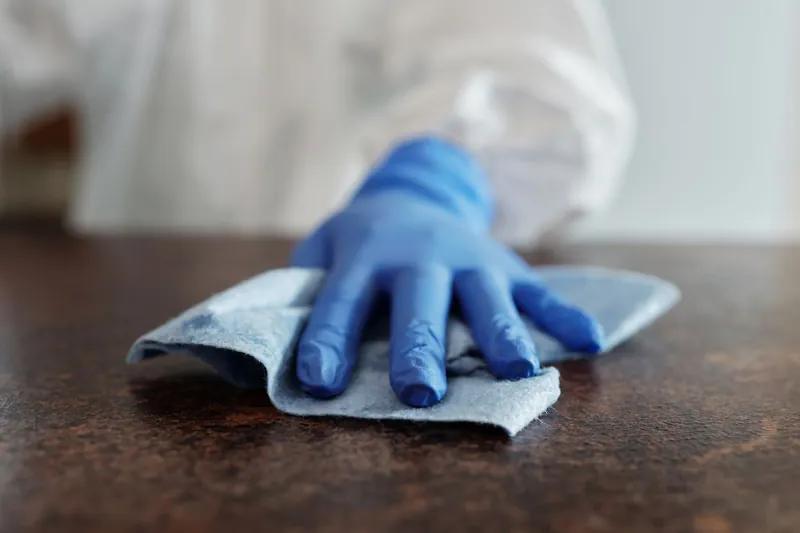
The surface is cleaned of obvious soil prior to disinfectant treatment. Seams, edges, fasteners and nearby touch points are included rather than only the center of the stain.
Cleanable surfaces are treated with an EPA-registered disinfectant. Technicians keep the disinfected area wet as long as the product directions require.
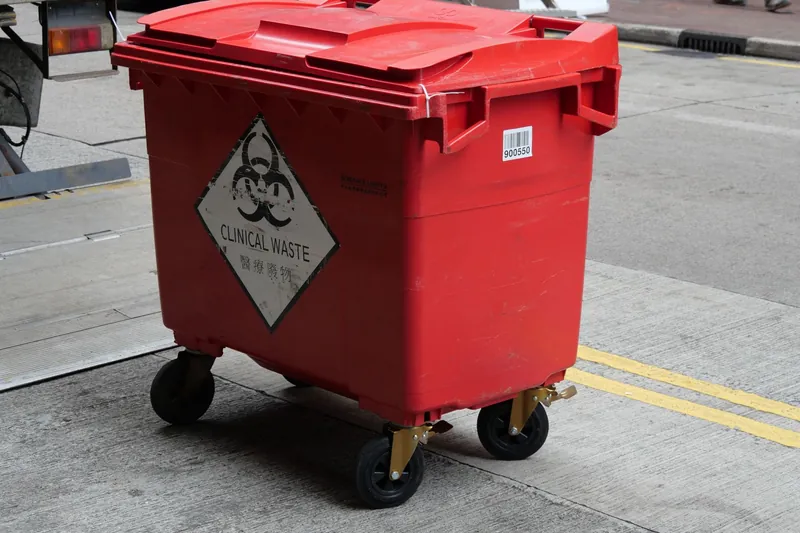
Applicable waste rules for the location and project determine how taken-out materials are sealed, identified and carried away for disposal.
Technicians first inspect for the odor source, then consider air treatment. During removal of contaminated material, HEPA filtration can help manage airborne particles.
Technicians complete a final check, safely clear their tools and containment, then give you a work record to keep or share with insurance.

You can call anytime. A specialist in blood cleanup takes your call, explains each step and agrees on a start time with you.
Pathogens can be present in blood, and liquid may extend through absorbent or layered materials far past the visible mark.
Carpet underlay, raw wood, grout lines and furniture foam can absorb blood below the surface. A surface-only cleaning may miss contaminated materials and odor in the layers beneath.
During professional cleanup, possible exposure to hepatitis B, HIV, hepatitis C and other bloodborne pathogens is considered. The CDC says hepatitis B can survive on surfaces for at least seven days, so dried blood still requires care.
Cleaning after a serious injury or traumatic event can be distressing. Leaving the work to cleanup crews can protect your health and reduce that burden.
Can you clean it yourself? A few drops on an intact, non-porous surface may be manageable with disposable gloves and an EPA-registered disinfectant used for its full label contact time. Professional cleanup is needed for blood on absorbent materials such as carpeting, unfinished timber or furniture, inside walls, around sharp items, or when the extent cannot be determined.
Hard, sealed surfaces can often be cleaned and disinfected. Porous materials are removed when blood has penetrated too far to treat completely.
A contained surface spill may take several hours, while blood that reached carpet padding, furniture, walls or several rooms can take one or more days. Inspection is needed before a reliable schedule can be set.
| Scene | Typical time on site |
|---|---|
| A limited spill on one nonporous area | Often completed within several hours after assessment |
| Blood contamination on furniture, carpeting or throughout one room | May require a full workday or longer |
| Several affected areas or material removal | One or more days may be required, with repairs happening afterward |
Odor control begins by finding and removing the source. Fragrance cannot correct blood left in carpet padding, furniture foam, subfloor gaps or wall cavities. Those areas must be inspected, and material that cannot be fully cleaned may need to come out.
HEPA air filtration and removal of particles from surrounding surfaces may follow source removal and disinfection. Any stronger treatment for odor is considered afterward, when no contaminated material remains. Ask which equipment is going to operate, if you need to leave the room vacant and at what point the space can be used again.
The full blood cleanup guide covers what is cleaned or removed, odor and air quality work, and the rules that apply in Louisiana and East Baton Rouge Parish.
Read the full blood cleanup guideLocal population patterns, housing and site access may affect how containment and cleanup are planned.
The General is about 2.7 miles from New Dayton, which is useful to know when an exposure or injury needs medical attention.
Nearby communities include East Dayton, Istrouma, and Fairwoods, useful geographic references when explaining a property location to a cleanup crew.
Properties within this Baton Rouge neighborhood may share alleys, entries, or parking, so equipment movement should be planned around nearby residents.
Your phone conversation can include questions about service in nearby ZIP codes and communities.
Bodily fluid cleanup and disinfection for homes, care settings and businesses.
See bodily fluid cleanup
Any property receives disinfection after removal of infectious materials, including bodily fluids and blood.
See biohazard cleanup
After police release the property, crime scene cleaning addresses blood and odor.
See crime scene cleanup
Following accidents, violence or injuries, trauma scene cleanup addresses the affected area.
See trauma scene cleanup
Private, careful suicide cleanup so families do not have to face the scene.
See suicide cleanup
After investigators leave, homicide cleanup removes contaminated materials along with tissue and blood.
See homicide cleanup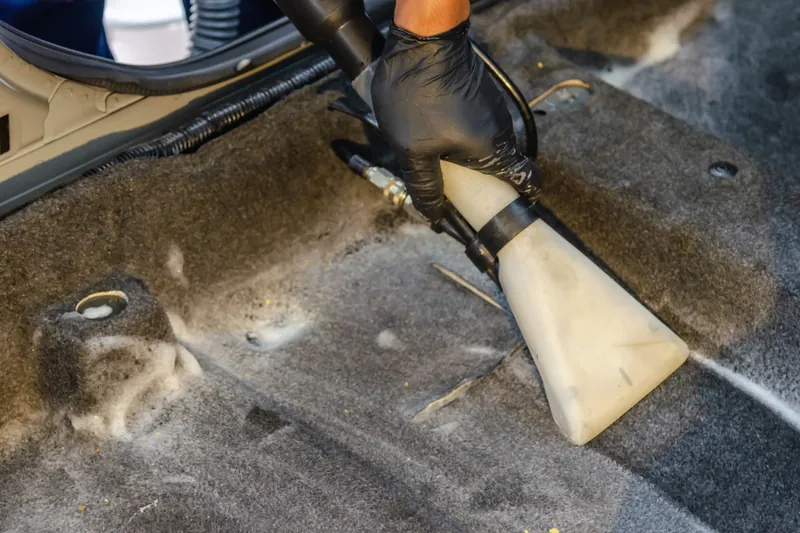
Carpet and upholstered items receive biohazard cleaning or are removed safely if necessary.
See biohazard carpet and upholstery cleaning
Medical waste removal includes disposal through facilities approved for treatment.
See medical waste removalEach pathogen survives for a different period under different conditions. According to the CDC, hepatitis B may remain viable on a surface for at least seven days. A stain is not necessarily safe because it has dried. Avoid touching it, keep others away and use the same careful cleanup approach used for fresh blood.
Because blood may contain bloodborne pathogens, it is considered a possible source of infection. You cannot tell whether blood contains a pathogen by looking at it. Protective equipment, surface cleaning ahead of disinfection, safe containment and correct waste disposal remain important after blood becomes dry.
Ask how the affected area will be identified, what materials may be removed, which disinfectant will be used and how label contact time is followed. Confirm the disposal preparation process, documentation you will get, the need for odor work and your responsibility for repairs after cleanup.
Technicians check whether blood stayed on the surface or reached padding, foam, seams or framing. A cleanable surface may be treated, but deeply soaked carpet pad or upholstery foam often needs removal. Every affected depth needs attention, not just cosmetic treatment of blood you can see.
The amount of contamination and its location determine if remaining is practical. When the work area can be contained, you might stay in another section of the property that was not affected. If contamination crossed shared walkways, affected ventilation or reached several rooms, the cleanup team may advise leaving until the work is complete.
You need disposable hand protection, material that absorbs the spill and an EPA-registered disinfectant approved on its label for the organism and surface. Every direction matters, including how long the disinfectant stays wet. Do not mix chemicals. For a large spill, sharp objects or blood on porous material, stay out of the area and arrange professional cleanup.
Discreet, respectful blood cleanup, 24 hours a day, with crews in unmarked vehicles.